 |  |  |  |  |
 |  | E waste Management | ||
| Sales / Service Mob: +919594950018 / +919594950026 email: barcode@barscansys.com Andheri / Mumbai 



| |||
| ||||||||||||||||
|
Thermal Transfer
Printing, How it Works? Thermal transfer
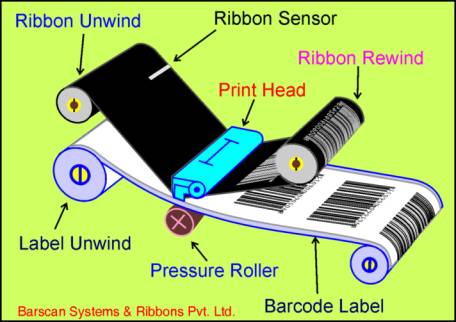
printing involves the transfer of ink from a ribbon substrate onto a paper or
film/polyester label stock through a combination of heat & pressure
process. The ink is transferred to the paper or film/polyester as it passes
between the printhead and pressure roller in a thermal transfer printer.
(Avery, Datamax, Citizen, TEC etc.) See the illustration giveN below. Thermal
Transfer Printer Mechanism Thermal transfer
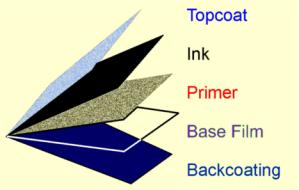
ribbon is constructed of a high-density tissue coated on one side with either a
wax base ink, wax-resin base ink or a resin based ink. The non-ink side of the
ribbon is coated with a lubricating agent that helps prevent wear or damage to
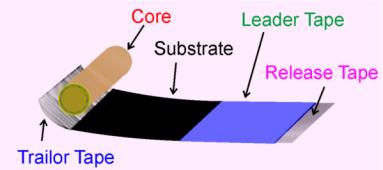
the printer's printhead. A release tab and leader tape precede these imaging
components, while a trailer tape may or may not be at the end of the ribbon roll. The
basic mechanics are the same between both printers, i.e. there is a printhead,
ribbon, and substrate. The main differences are the ink transfer process and
the printhead design. Performance and price are also issues to consider when
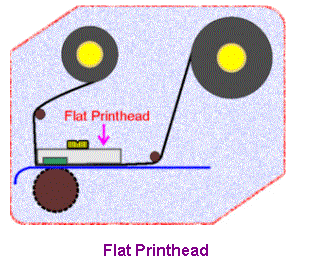
choosing between a near edge and flat head printer In flat head printing,
the printhead is horizontal, and the heating element is in the center of the
printhead. The ribbon passes over the heating element and the ink is
transferred. The ribbon continues to travel in the horizontal plane for about a
centimeter before emerging from the front of the printer, where it is directed
up to the printer’s take-up spindle. This centimeter of travel is very
important, as it allows the ink to fully adhere to the printed surface and then
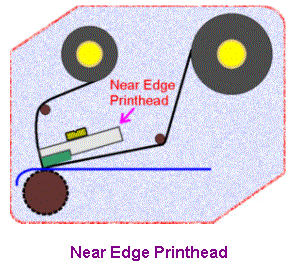
release from the ribbon. In near edge printing,
the printhead is angled approximately 45º and the heating elements are located
near the edge of the printhead. The ribbon has limited contact with the
substrate. It only touches the substrate when it passes under the printhead’s
heating elements. The transfer process must both adhere and release at the same
time. This requires a change in the ribbon’s formulation, particularly the
release layer, explaining the need for additional ribbon formulations specifically
for near edge printers.
Leader Tape
Substrate
Ribbon Cores
Advantages &
Disadvantages of Various Printing Methods Ink Jet Printing Advantages Mechanically simple Large gamut of specialty colors Ink and substrate flexibility Very good initial print quality Non-contact printing for special applications Disadvantages Cost of consumables Limited print speeds Average reliability Poor image stability Lamination needed for durability Quality decreases over long runs Laser Printing Advantages Good print quality Good print durability Excellent graphics Best for “Batch Oriented” applications Prints full pages Continuing hardware cost decline will spur growth Disadvantages High machine entry costs Mechanically complex High transaction costs Limited selection of substrates Slow speeds Low reliability Machine size is often not suitable for applications High price consumables Impact Printing Advantages Oldest Technology User friendly Reliability Inexpensive Minimal software requirements Disadvantages Maximum resolution 240 dpi Monochrome only Not “variable friendly” batch oriented Limited resolution Declining number of installations Direct Thermal Single consumable High-speed capability Extremely portable Technology is improving Durability improving Low cost of entry Disadvantages Media tends to discolor Poor durability Poor UV stability High energy required Printhead cost high with excessive wear Label stock high cost Lower image density Limited selection of substrate Thermal Transfer Printing Excellent durability High bar code integrity Wide font range, size and style High resolution Portable Low cost of entry Disadvantages Cost of consumables Initial setup can be time consuming
Print Head
Cleaning Maintaining
a barcode printer, cleaning it regularly and replacing parts as when required
is necessary to ensure high print quality and consistent print performance. The
print head is the most critical component of a barcode printer and without
proper cleaning and maintenance, it will produce less than desirable print
quality that can cause operational down time and wastages as well. 90% of print
quality problems result directly from improper use or care of the print head. Clean your print heads Cleaning print heads at regular intervals can extend their life considerably. As a general rule, print heads should be cleaned every time the ribbon is replaced. Cleaning is fairly quick and easy with cleaning pens, swabs or cards and is very inexpensive compared to constantly replacing print heads. |